I recently went on a cruise to Australia and New Zealand with my mom, and it was full of (not my) issues! In chronological order:
- On the flight to Phoenix, I experienced my first “Is there a doctor, nurse, or medical professional on board” announcement (person I guess was fine because we didn’t divert and there weren’t medical personnel waiting when we landed)
- On the cruise, a passenger had a medical emergency that required a helicopter medivac between Australia and New Zealand (I have photos of them taking down string lights and clearing the deck, but they closed off the deck for the actual evac, which makes sense)
- We had a few other more minor medical incidents (with other passengers) that resulted in paramedics boarding the ship, or people being medically disembarked while we were in port (including one where two crew who were hosting an event had to run to assist)
- A sprinkler in a cabin (not ours) decided to go off at 4 AM, resulting in a crew alert from the captain because the bridge thought it was an actual fire (apparently the medical disembarkation ended up being crutch here because the ship was sold out, but they were able to relocated the affected passengers because of the disembarkation, while they replaced everything in that room including the carpet)
Okay, and one thing that was my issue:
- We had 2 hours scheduled for our international-to-domestic transfer at SFO, which turned into 110 minutes because we were late getting in, and then the checked bags took literally an hour to come out… we missed the transfer bag drop deadline, so I ran the bags to the regular checkin desk and made their deadline by literally 90 seconds, and then we ran through security and made it to the gate just as they started boarding… I have still never missed a flight or a transfer, but this was the closest I’ve ever come (and AA please schedule more than 2 hours for international transfers, since that includes immigration and customs and bag drop and security)
But the cruise itself was *amazing* and I am super sad that it’s over. New Zealand is an absolutely gorgeous country full of really nice and welcoming people. Australia is… a place. The crew and entertainment on board were fantastic. The food was plentiful and satisfying. Very yes.
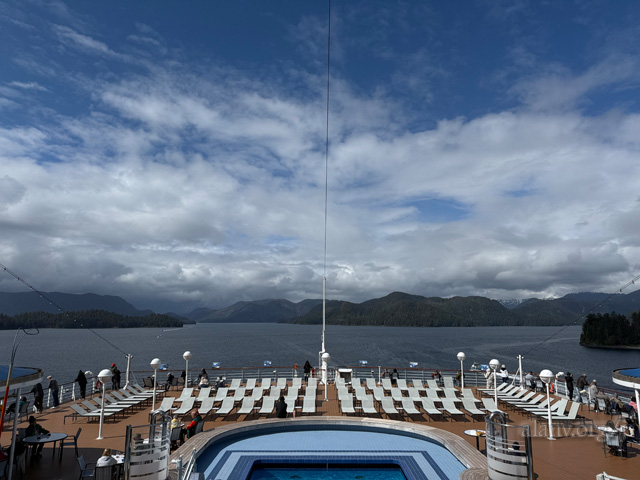
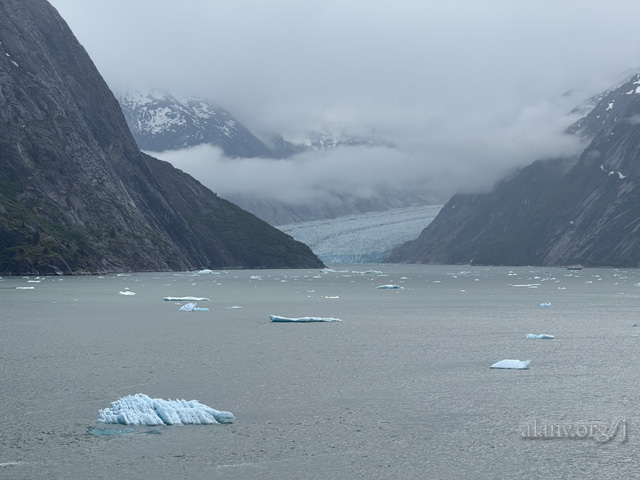
Have some photos.
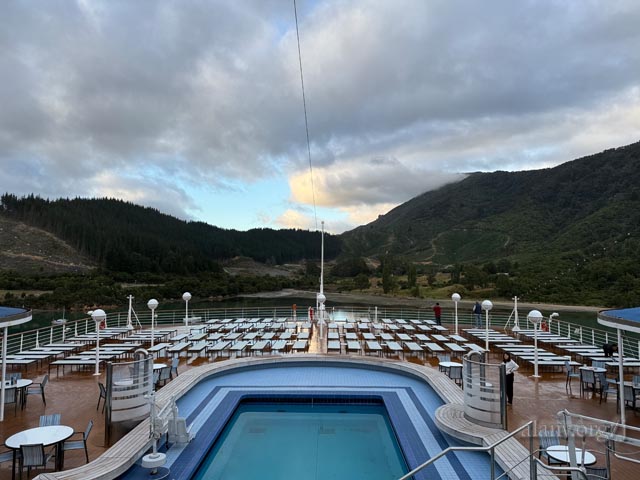
Picton, New Zealand I think is my favorite (scenic) place in the world now. It’s so beautiful there.
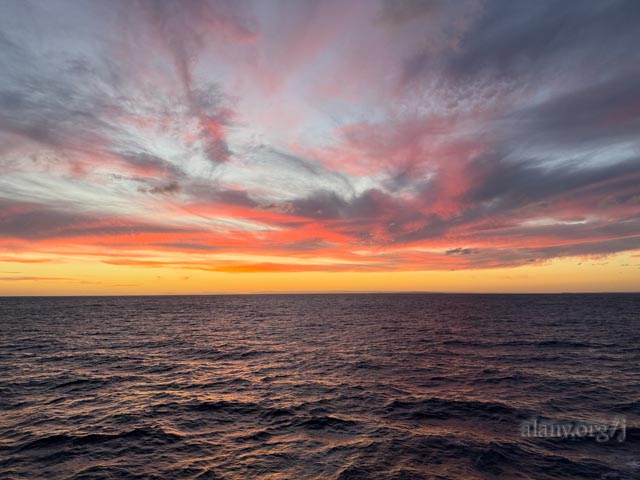
We had some gorgeous sunsets on the trip.
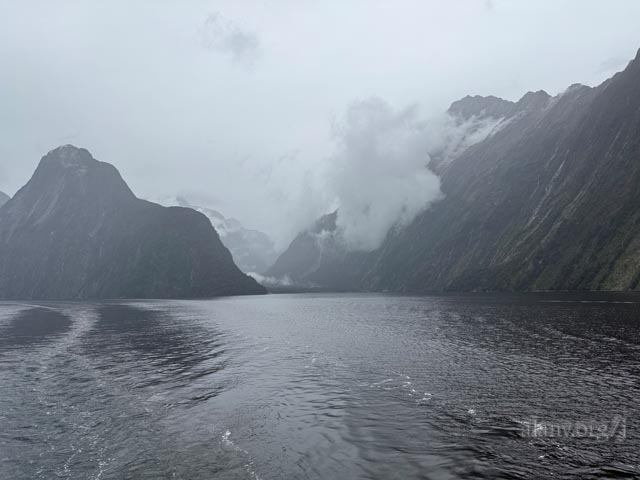
Milford Sound is really pretty, even when the weather is horrible and rainy.
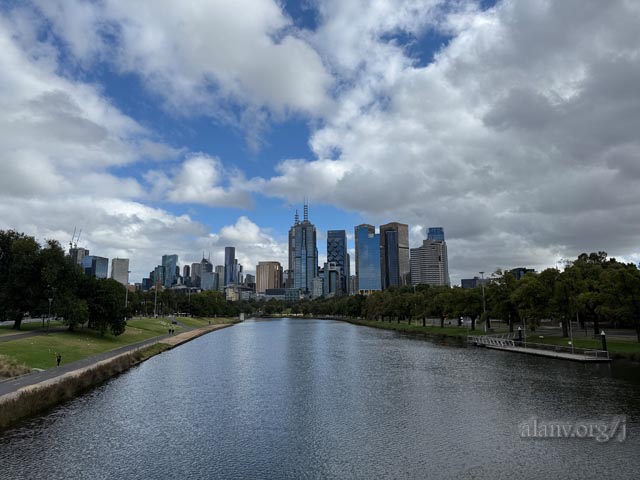
Melbourne is okay, I guess. It has a nice river and greenery, at least.
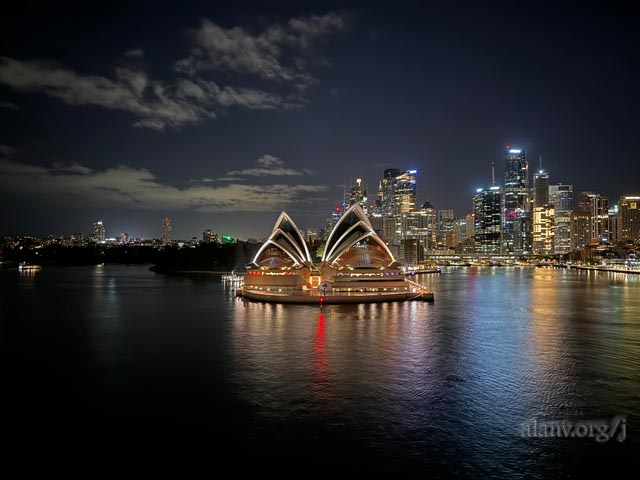
We sailed into Sydney at 1 AM (to make it under the bridge at low tide), but it was worth getting up for.
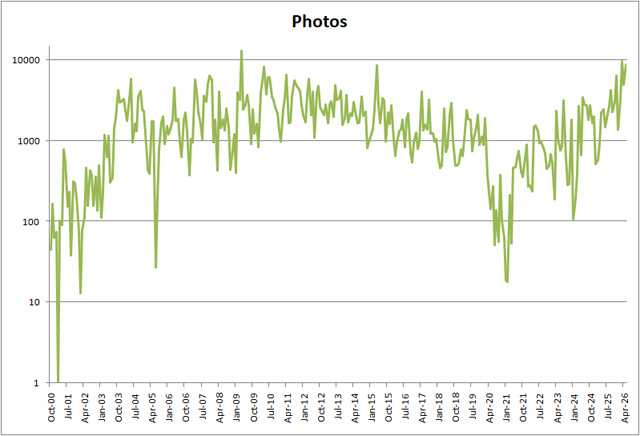
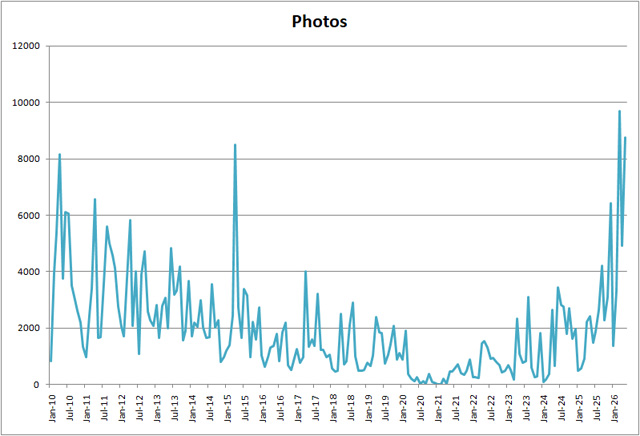
I’ve been bad at actually processing photos onto my photos site recently, so… these may make it there? At some point?
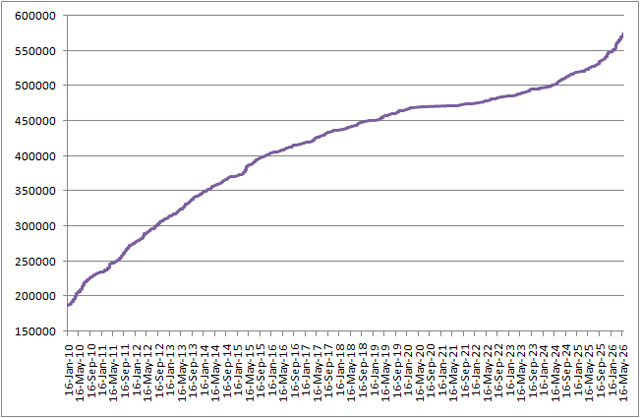
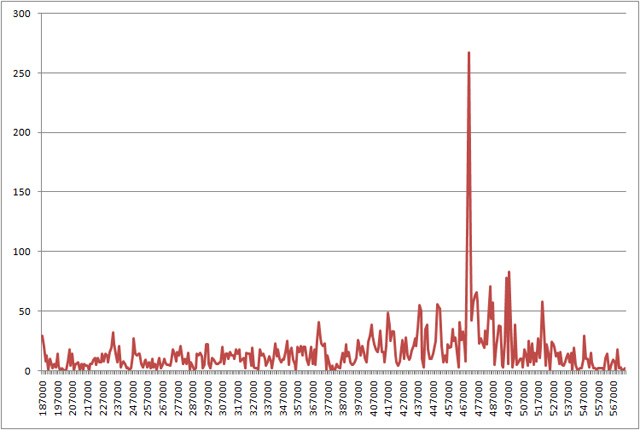
Also… I’ve been doing enough stuff that we’ve passed another 25k photo threshold already, and we’re actually not unreasonably far away from another 25k threshold. Given that Carnival is coming up this week, it might push me over, so I’ll wait to do stats until we hit 575k photos (!!).
In other other news, I realized I hadn’t written much about life and activities recently (and I’m sure people will ask), so maybe it’s time for a bit of reflection on the past 5 months of unemployment?
One of the biggest things I wanted out of this period in my life was a relative lack of structure and relative lack of obligations, because I’ve spent my entire life having school or work obligations and having to schedule around them.
However, to prevent myself from just stagnating and “wasting” the time, I established three rules for myself (with the help of my therapist): every day I have to be intentional about cooking and eating, I have to make it out of the house at least once*, and I have to have one accomplishment for the day.
So far I have managed to follow those rules every day (*I’ve since modified “out of the house” to “away from my computer for an extended period” to account for days when it’s miserable outside, and I’ll do something like read on the couch instead). “Accomplishment” here can be as simple as “spend time with a friend and be mindful about it” or “bake cookies for my in-laws” or “successfully fly to New Zealand to start the cruise”.
And… it’s worked. I was describing life to my therapist as “slower, but in a good way”… I’m now able to take extended trips to the grocery store to browse (because I love looking at food, and grocery shopping brings me joy) instead of rushing in the 30 minutes between meetings… I’m able to plan meals and spend time cooking (because I love cooking and baking for people)… I’m able to schedule creative sessions with (other unemployed) friends (where we sit on a video call together and just write or code)… I’m able to have quiet afternoons listening to music while I sew… I’m able to keep up with the housework without it being a source of stress.
All of these things have brought me so much more satisfaction than work did toward the end. And I feel like my personal impact (particularly on the people I love and care about) has grown as well (even if I’m no longer having a broad impact, such as at work), because I’m able to properly dedicate my time and energy to the things that matter to me, now. And the list of things I want to do continues to be long. I haven’t even started on some of the items yet, like learning to draw.
And all of this is more than working for me, right now.
This may change, at some point. I may hit a point where I want that structure again, and I might start volunteering or (eventually) go back to formal employment. But for now, I’ve been happier and less stressed than I think I ever remember being.
Life continues to be amazing.